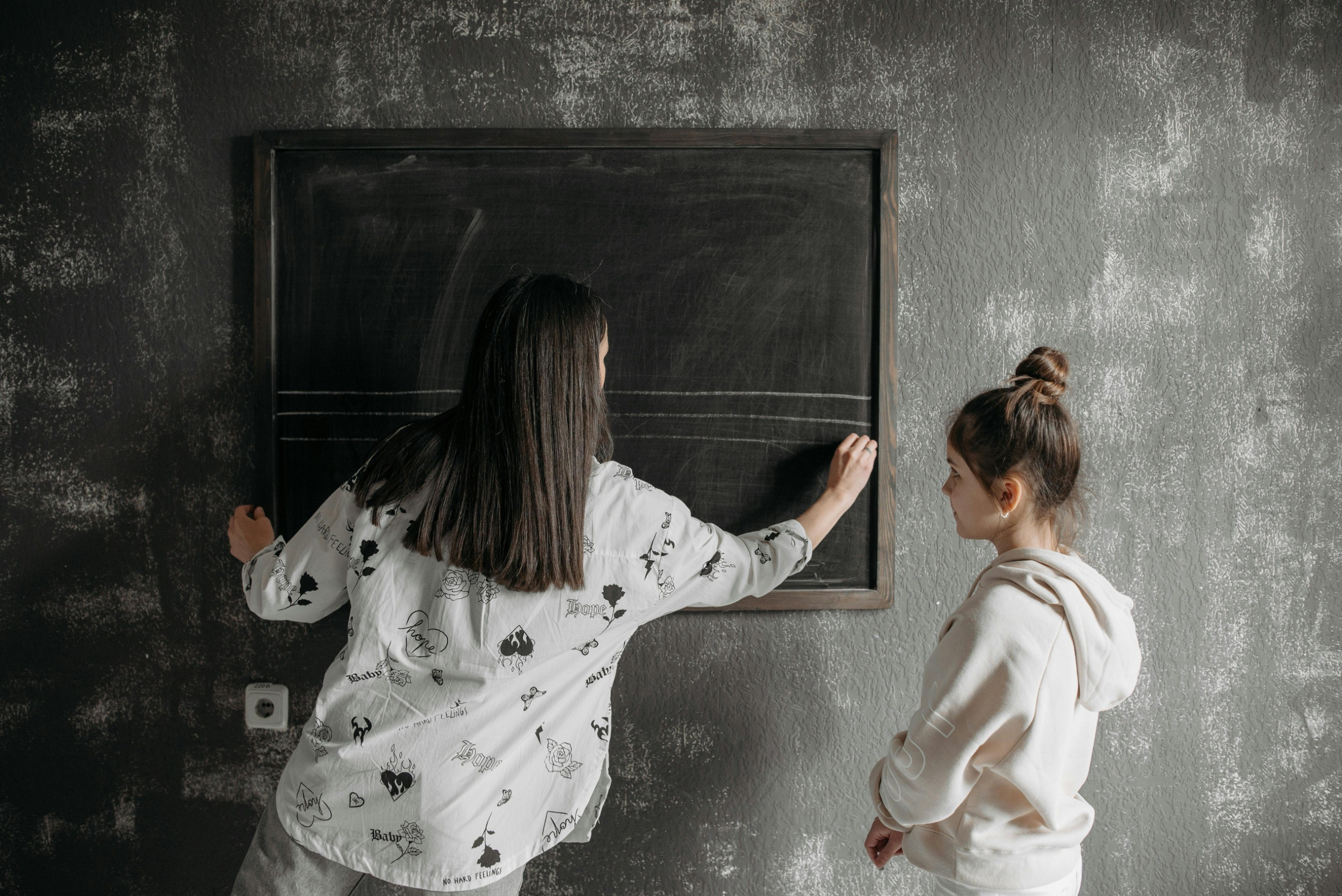
It’s Not About Sitting for Hours
One of the most common questions parents ask is: “How long should my child be doing school each day?”And the truth is — homeschool learning times look very different from traditional school.
At home, learning is:
- More focused
- More efficient
- More flexible
Which means your child does not need to sit for 6–8 hours to learn effectively. However, before we get into recommended learning times, there’s something important to understand.
⚠️ First: Always Check Your State Requirements
Before adjusting your homeschool schedule, it’s essential to review your state’s homeschool laws.
Some states require:
- A specific number of instructional hours
- Attendance tracking
- Required subjects
Others allow more flexibility.
Because of this, not every family can follow a minimal schedule — and that’s okay.
👉 Always align your homeschool learning time with your state laws, rules, and regulations first. Save this in your browser and find out your state’s laws here.
2️⃣ Second: Understand What Counts as “Learning Time”?
Here’s where many parents feel confused.
Learning time is not just direct teaching.
It includes:
- Reading
- Hands-on activities
- Educational games
- Outdoor Play/Schooling
- Chores (life skills)
- Creative play
- Projects
- Discussions
So when you see “60 minutes of learning,” that does not mean 60 minutes of sitting at a table. Education is happening throughout the day.
Recommended Homeschool Learning Times by Age
These are general guidelines based on developmental stages — not rigid rules.
🌱 Pre-K
20 minutes (Max: 60 minutes)
At this stage, learning should be:
- Play-based
- Hands-on
- Short and engaging
Focus on:
- Letters
- Numbers
- Fine motor skills
- Exploration
Anything longer than 20 minutes at a time should be broken up.
🌿 Kindergarten
30 minutes (Max: 90 minutes)
Kindergarten introduces more structure, but still needs flexibility.
Include:
- Phonics
- Basic math
- Read-aloud time
- Play-based learning
Short lessons + movement = better retention.
🌼 1st & 2nd Grade
45 minutes (Max: 90 minutes)
Students begin building foundational academic skills.
Focus on:
- Reading fluency
- Writing
- Math concepts
Break learning into:
- Short subject blocks
- Hands-on activities
🌳 3rd – 5th Grade
60 minutes (Max: 120 minutes)
At this stage, children can handle longer focus periods.
Learning becomes more:
- Independent
- Structured
- Skill-based
Still include:
- Breaks
- Movement
- Creative work
🌲 6th – 8th Grade
90 minutes (Max: 180 minutes)
Middle schoolers are building:
- Critical thinking
- Responsibility
- Deeper subject understanding
They can work longer — but still need balance.
🌲 9th – 12th Grade
120 minutes (Max: 270 minutes)
High school requires more academic time, especially for:
- Core subjects
- Credits
- College preparation
However, learning is still more efficient than traditional school.
The Key to Learning Times: Quality Over Quantity
More time does not equal better learning.
In fact, shorter, focused sessions often lead to:
- Better understanding
- Less frustration
- More engagement
Homeschooling allows you to:
- Remove busy work
- Focus on mastery
- Adjust to your child’s pace
🧠 What a Real Homeschool Day Looks Like
Instead of thinking:
❌ “We need 5 hours of school”
Think:
✔ “We need intentional learning moments throughout the day”
A day might include:
- 30 minutes of math
- 20 minutes of reading
- 15 minutes of writing
- Outdoor exploration
- Helping with chores
- A science activity
And that counts.
🎯 How to Make This Work in Real Life
✔ Start small and build consistency
✔ Break learning into chunks
✔ Use hands-on activities
✔ Don’t force long sessions
✔ Follow your child’s pace
Most importantly: Remove the pressure to replicate traditional school.
🌿 Final Thoughts: Homeschool Is a Different Model
Homeschooling is not about how long your child sits.
It’s about:
- How well they understand
- How engaged they are
- How consistently they learn
When you combine:
- Realistic learning times
- Flexibility
- Structure
You create a homeschool environment that actually works.
Hey, Parents and Guardians!
If you’re unsure how to structure your homeschool day within these time frames, having a clear curriculum can make a huge difference.
The Moneá Academy curriculum is designed to:
- Fit realistic learning times
- Provide structured lesson plans
- Support early childhood development
- Keep education simple and manageable