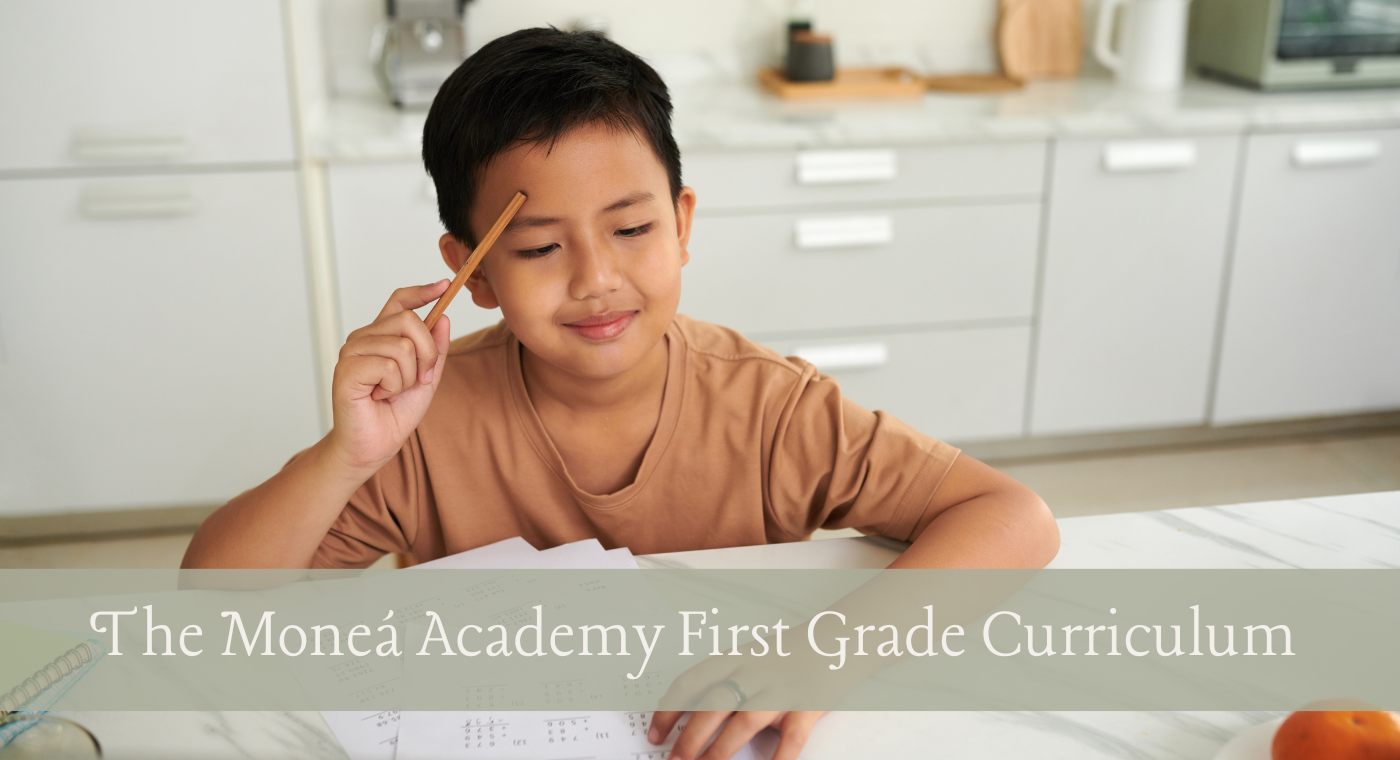
As homeschool parents, we get it. The stress of wondering “Is my child ready for first grade?” sometimes gets a bit too much to handle. First-grade readiness does not mean your child must master everything before moving forward. Instead, it means they are building confidence with foundational skills and are ready to deepen their understanding through guided practice, exploration, and real-life learning.
For homeschool families, first grade is often a year of growth, independence, and discovery. Remember, readiness looks different for every child.
What Does First-Grade Readiness Mean in Homeschooling?
A child who is ready for first grade is beginning to connect skills across reading, writing, and math. They may still need support, but they are showing steady progress and a willingness to try.
First-grade readiness focuses on skill development, not perfection or comparison.
Signs Your Homeschooled Child Is Ready for First Grade
If your child meets one or more of the following benchmarks, they are on track for first-grade homeschooling.
1. Reading Levels C–E
If your child is reading at Levels C–E, they are developing the literacy skills needed for first grade.
This may look like:
- Reading simple books with short sentences
- Recognizing common sight words
- Using picture clues and context to understand text
- Retelling a story in their own words
- Showing interest in independent reading
Be Kind to Yourself: Children progress through reading levels at different speeds. Confidence and comprehension matter more than speed.
2. Number Recognition and Early Math Awareness
A first-grade-ready child typically recognizes numbers and understands what they represent.
This may include:
- Recognizing numbers 0–20 (or beyond, usually to 50)
- Counting forward and backward
- Matching numbers to quantities
- Understanding more/less and equal
- Identifying patterns
Remember: Number recognition is the foundation for first-grade math skills like addition and subtraction.
3. Writing Skills for First Grade
First-grade writing builds on early handwriting and expression skills.
This may look like:
- Writing letters with improved formation
- Writing their name independently
- Copying words or short sentences
- Writing simple sentences using phonetic spelling
- Drawing and writing to tell a story
Don’t Stress, Parents: Spelling does not need to be perfect. “Phonetic spelling” is expected and encouraged at this stage.
4. Early Math Skills for First Grade Homeschooling
First-grade readiness includes an emerging understanding of math concepts beyond counting.
This may include:
- Basic addition and subtraction (with objects or visuals)
- Understanding number bonds
- Comparing numbers
- Solving simple word problems
- Using math during everyday activities
Tip: Hands-on math experiences are especially effective for homeschool learners.
First Grade Readiness Is About Growth, Not Gaps
In homeschooling, readiness is not about meeting a rigid checklist. It’s about recognizing growth, supporting emerging skills, and creating an environment where your child feels capable and encouraged.
Many children develop these skills through first grade, not before it, and that’s completely normal.
Encouragement for Homeschool Families
If your child:
- Is reading at Levels C–E
- Recognizes numbers and explores early math
- Writes letters, words, or simple sentences
✨ They are ready for first-grade homeschooling. ✨
With patience, consistency, and the right resources, first grade becomes a year of confidence-building and meaningful progress.
A Supportive Path Into First Grade Homeschooling
If you’re looking for a calm, structured, and flexible approach to first-grade learning, our Homeschool First Grade Curriculum is designed to support reading, writing, and early math skills without pressure. Lessons are developmentally appropriate, parent-friendly, and adaptable to your child’s pace, making first grade both effective and enjoyable for the whole family.